
Instruction & Training
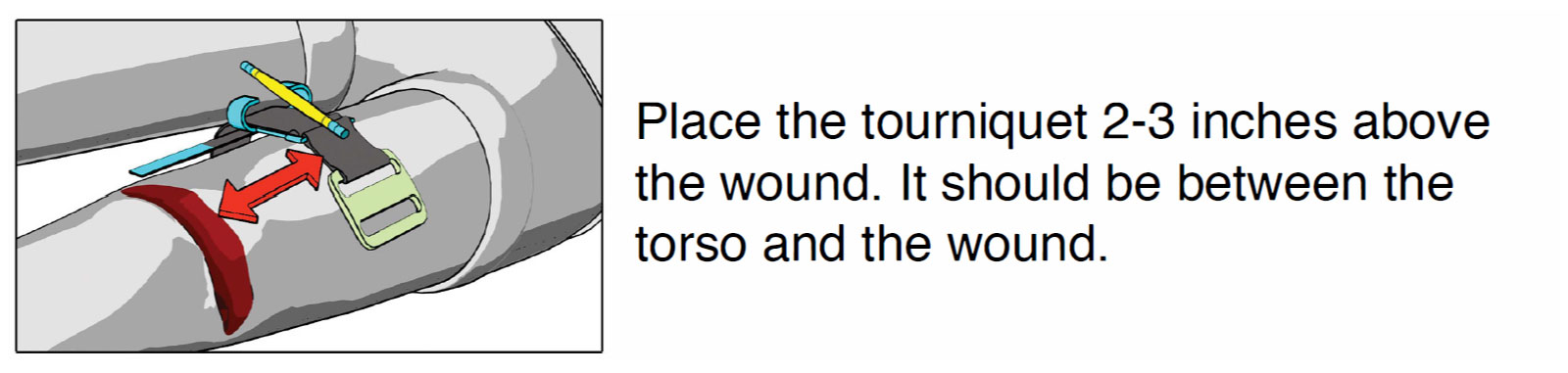
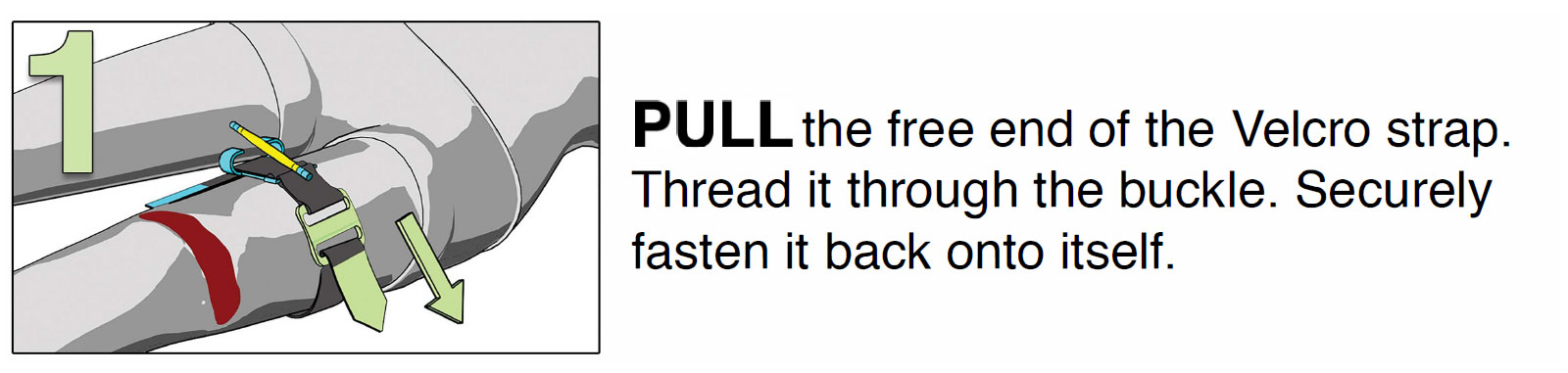
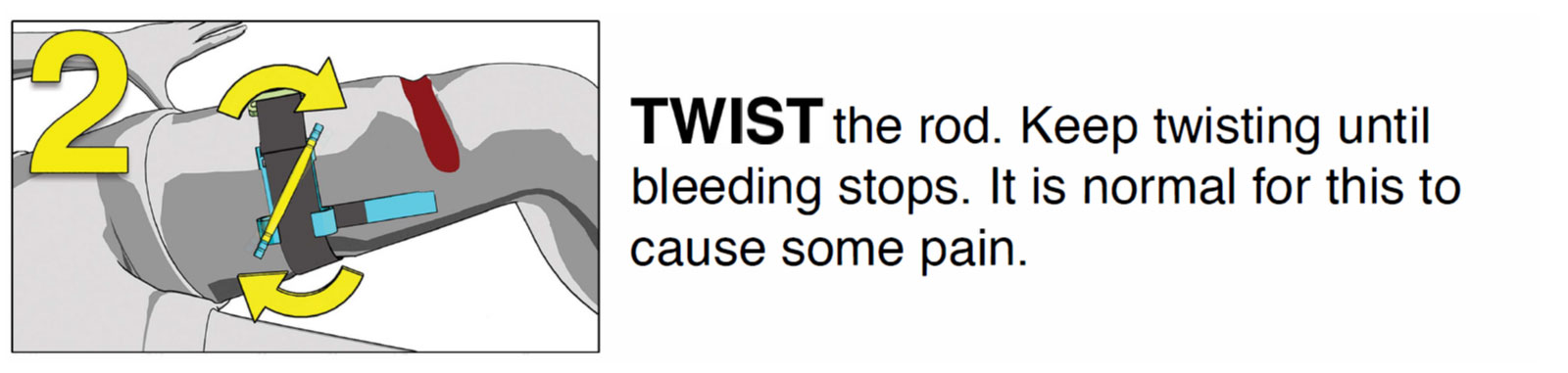
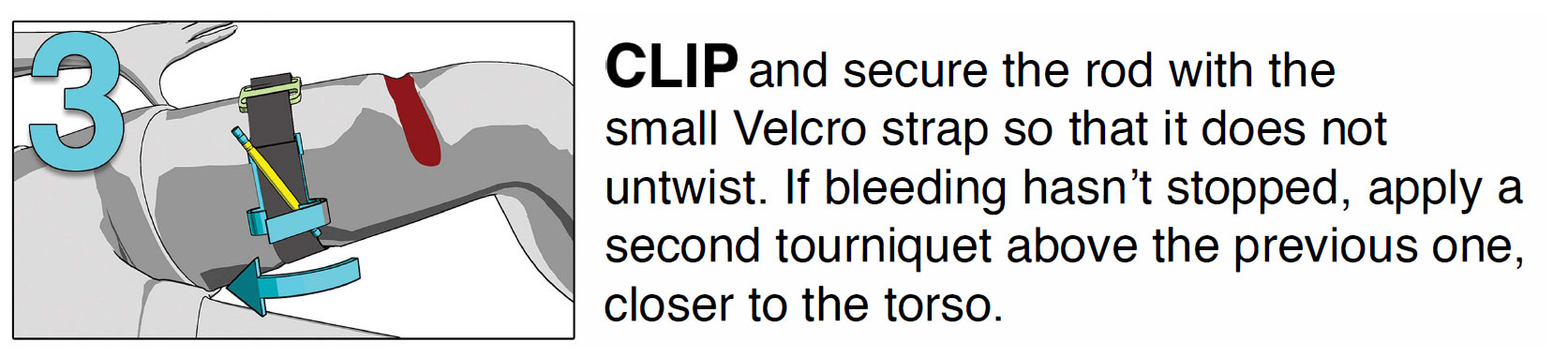
Serious Bleeding: Arms or Legs — Apply Pressure
Determine you are safe where you are. Have someone call 911.
Serious Bleeding: Not Arms or Legs — Apply Pressure
Determine you are safe where you are. Have someone call 911.
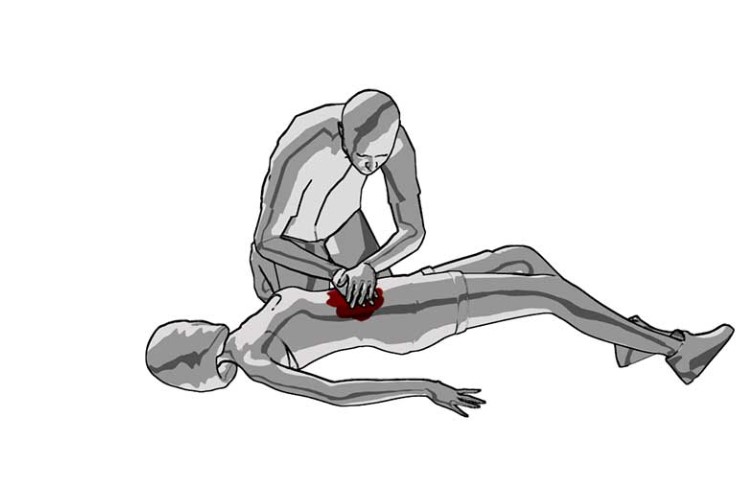
Step 1:
First, apply pressure and direct someone to call 911. Remember, pressure stops bleeding.
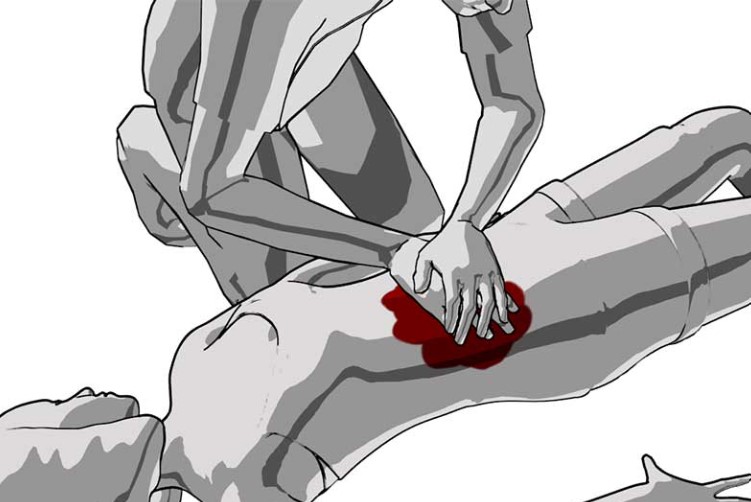
Step 2:
Use your hands to apply firm, steady pressure until bleeding stops. You should hold pressure for at least 5 minutes before looking at the wound.
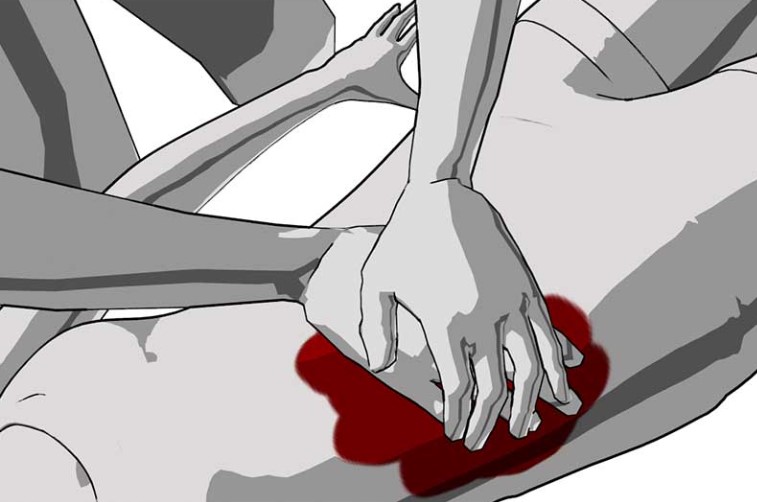
Step 3:
If you can, try to ensure the injured person is on a firm surface. That way, when you apply force on the bleeding, you are pressing into something solid.
Step 4:
If you have gauze available, use that. If not, use whatever you have available, such as a shirt, newspapers, or your hand.
Above training information supplied by StopTheBleed.org
Click below to view their interactive tool.

How to Use a Tourniquet
In this video, Lenworth M. Jacobs, Jr., MD, MPH, FACS, walks you through how to apply a tourniquet on a bleeding victim.
Improving Survivability
This brief video provides an overview of recommended response and bleeding control protocol in the event of a mass casualty event.
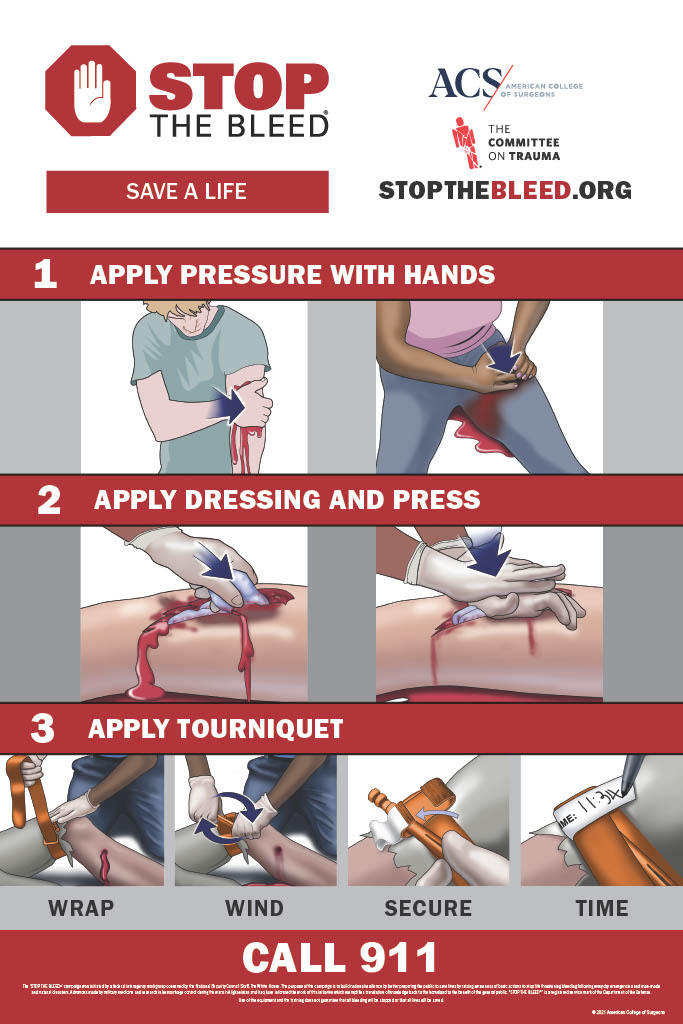
Stop the Bleed Poster
Download the STOP THE BLEED® poster for a quick reference when an emergency arises. Don't forget to always call 9-1-1 first.
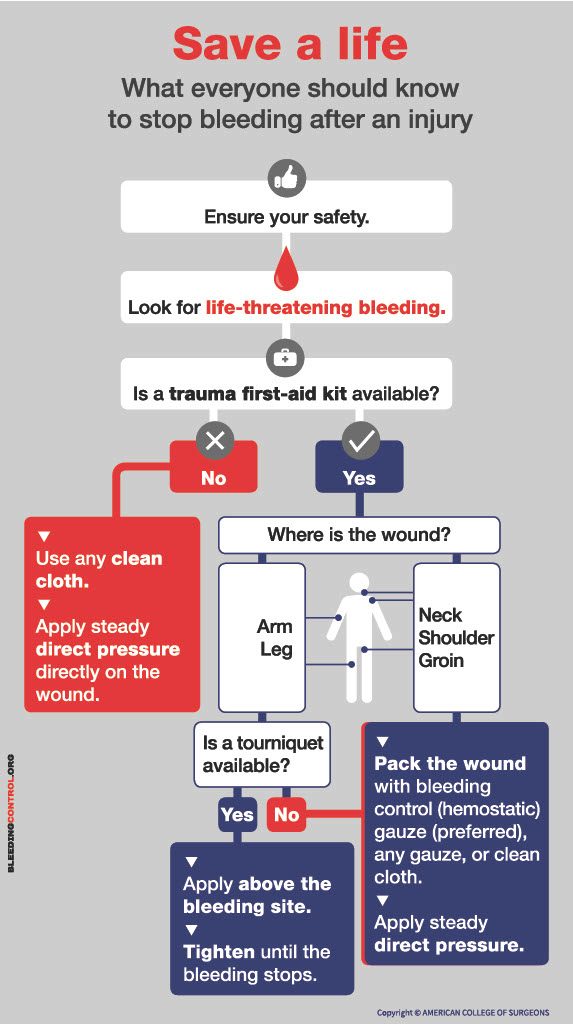
Save a Life Flowchart
A step-by-step reference for recognizing life-threatening bleeding and taking action fast.